
Building Scalable Startups: Tips from a Start-up & Scale-up Specialist
Scaling a startup requires a delicate balance of strategic planning, operational excellence. In this post, I’ll share tangible, actionable tactics to help you build a scalable startup.

I've seen a recurring challenge: many startups slow down significantly when they hit the scale-up phase. Sure, they don't need to maintain the initial fire fighting mode, but I've noticed that this slowdown often leads to inefficiencies. Does it have to be this way? I don't think so…
Having navigated numerous IPOs and funding rounds (Series A, B, C), I've learned a thing or two about thriving in these scale-up waters. As startups grow, their processes evolve and change—this is natural. However, it's possible to build a solid foundation from day one. In this post, I want to share some industry-agnostic tactics that have proven beneficial for early-stage startups aiming to scale based on my experience.

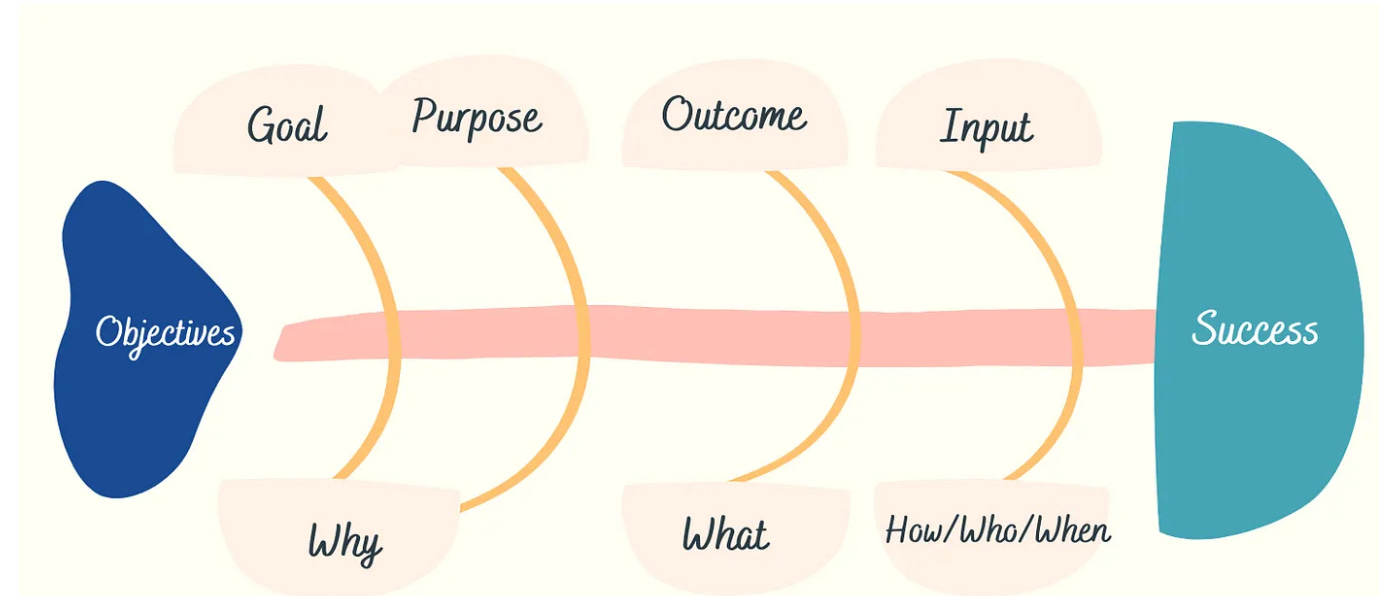
5W + 1H Framework for Scaling
1- Purpose/Goal (WHY): Don't underestimate the power of clearly defining where you want to go
The good and bad news is that growth can come very quickly, and you might feel like you're losing control over your business.
If you need a framework to set goals, you can opt for OKRs. OKRs provide a framework that aligns the team's efforts with the company's overall objectives.
However, I’m not someone who focuses on frameworks from day one because I often see that they cause people to lose sight of what they should really be focusing on, especially in startups. So, if you want to use a framework as a backbone, go ahead, but otherwise, prioritize setting clear goals. Simply define: Where do you want to go?
Do you want to reach a certain growth percentage?
Or maybe you want your startup to be among the "Best Places to Work"?
Or do you want to make an exit in three years?
2- WHAT - Break Down the Goal into Outcomes:
The second step is to define tangible outcomes that prove you're making progress towards your goal.
Why This is Important: This is the only way you can track your progress or, even better, recognize when you've achieved your goal. It’s easier said than done, but the number of startups that are unaware they’ve already achieved their goals at some point might surprise you. Measurable and time-bound goals are lifesavers 🛟
Key Question:
How will success look like? The answer should be clear as:
We will secure $10 million in Series B funding by Q2.
We will increase the customer retention rate to 90% by the end of the year.
We will achieve at least a 4.5-star rating in employee satisfaction n the Apple Store.
We will become a unicorn within three years.
3- How/Who/When (Input):
The third and the last step is to break down strategic-level goals into manageable, trackable, and actionable tasks. This can be a complex process, especially if your team lacks experience in translating strategy into operations. You might want to work with a short-term consultant to guide you through this stage. This work is like climbing a mountain or finishing a cake. To reach the summit, you need to take a series of planned steps. To finish the cake, slicing it makes it easier to eat. And only you and your team know the best steps to take towards the summit you've set.
Why This is Important: For example, you've set the goal "Increase customer retention rate to 90% by the end of the year." But this sentence doesn’t contain an action. It doesn’t show you the way to go. Until you break this goal down: How — Who — When. Under one goal, dozens of small tasks may arise. But don’t worry about it, you're on the right track.
A Few Key Questions:
What is the biggest obstacle between us and the goal? How can I remove this obstacle?
What can I do today to reach this goal?
What can I do in one month?
What can I do in three months? …
Prioritize Tasks:
Not all tasks are created equal. Prioritizing them based on their impact and urgency is a simple but very effective method. You can use methods like the Eisenhower Matrix or the MoSCoW method to categorize your tasks. Don’t hesitate to go with basic methods; it doesn’t have to be complicated. The main goal here is to ensure your team focuses on what really matters. For example, your list might look like this:
High priority: Launch a new marketing campaign by Q1.
Medium priority: Update the customer onboarding process from end to end.
Low priority: Redesign the company website.
Why This is Important: Sometimes I hear from CEOs in the startups I work with, "Why is the CTO working on that? We have more important problems." Well, does the CTO know about this? Sorry, CEO, but if the priority problem list is not visible to everyone and not created together with the team, such communication breakdowns will always happen. Or if you’re a founder, every hour counts. Wouldn't knowing and ensuring that your team is working on the top three high-priority problems that could endanger the company make you feel that your company is in the good hands?
A Few Key Questions:
Which problem solved today would bring at least 80% additional profitability or efficiency?
Could there be a problem that I, as the CEO, am not aware of but could endanger the company?
Are the problems we classified as critical still critical?
Are the problems we classified as low priority still low?
Set Intermediate Goals (quarterly-monthly-etc.)
You know that solving some problems, taking the company from seed stage to Series C, and going public need time, maybe years-long issues. But that doesn't mean we won't have any rest breaks or celebrations along the way. That’s why I always recommend setting quarterly goals - if not quarterly monthly- for teams.
Each step you take brings you a little closer to where you want to go...
Why This is Important: In real life, while working on a project or growing a company, there are no signs on the highways showing us how far we’ve come. So we are both the signpost and the road. These intermediate goals would be the signs along the way.
Keep Your Eyes on the Goal: The Power Of Regular Check-Ins
Schedule bi-weekly, weekly, or monthly meetings to review your progress and make necessary improvements. These check-ins are crucial for staying on course, addressing improvements before they become issues, and celebrating successes. Use these sessions to reassess priorities, reallocate resources, and ensure everything is under control.
Review key metrics and performance indicators.
Don’t hesitate to bring up and discuss challenges and obstacles.
Celebrate successes and milestones.
Conduct town halls regularly
Why This is Important: Because in a startup, a one-week delay can sometimes cost six months or more.
Key Questions:
Are there any resolved issues among the three critical problems?
Has the priority of any problem changed?
What tangible progress have the people assigned to critical tasks made since the last meeting? How close are they to closing the task?

Invest in Technology only if It Meets Your Mid or Long-Term Needs (“Fashion is what suits you best”)
Creating a scalable product requires scalable processes and technology infrastructure. In today’s world, many technologies emerge. Experiencing all of them is almost impossible. And amidst the “don’t miss this train” advertisements from tech influencers leading the trend, it’s not easy to think clearly. While infrastructure investments aren’t my expertise, I included this section to pass a small note to competent technology architects and CTOs. My note is this:
In startups, I often see multiple investments being made simultaneously and, within a year, these investments are essentially discarded. Especially after VC funding, which reduces financial stress, many tech investments that last only a year can be made. I say, don’t waste your money, my friends. If you’re not sure about the product or its capabilities at a particular time for investment, reconsider and try to use existing solutions. Give yourself and your team time. There will always be a technological solution strong enough to fill the gap.
In conclusion, scaling a startup is an achievement. But establishing a structure ready for scaling from day one is an even greater success. Your processes don’t have to slow down as you grow. Of course, every startup is unique, and the tactics mentioned here should be adapted to your needs to develop your own practices. The points mentioned above are a few general points regardless of the sector and size. If you’re currently dealing with any problems, I hope the above insights inspire you. See you in the next article. Thank you so much for reading!